

Dahlia Planting, Care & Storage Guide
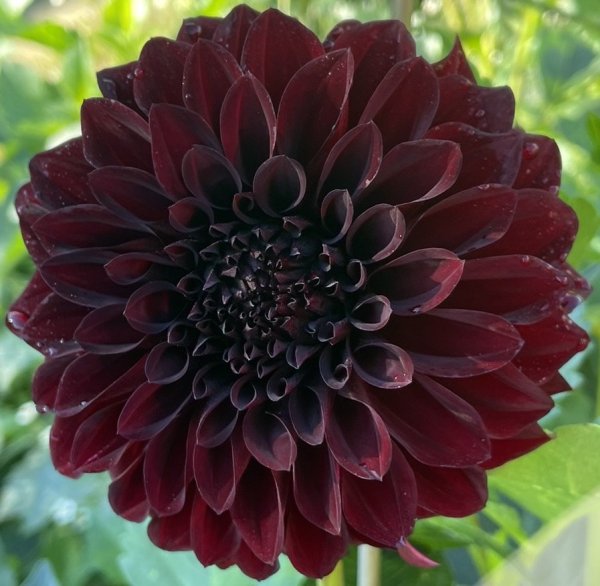 Dahlias are a gardener’s prized flower with their showy, colorful blooms. They can’t survive freezing temperatures, so you’ll need to learn how to dig up and store them. It’s an easy and simple process! When done properly, you can replant your tubers each spring.
Planting Tubers in the Spring
Dahlias prefer rich, well-drained soil. Raised beds may be the best option to create optimal conditions if you have challenging soil. Dig 10 inches to 1 foot to loosen the soil and give the tubers enough space to grow.
Dahlias are generally planted outside around the same time you plant tomatoes, mid-May to early June after the danger of freezing ground has passed.
How to Plant Tubers
- Prepare soil
- Dig holes for planting: generally 1 tuber per square foot. 12-18” for very large varieties
- Plant tubers: eye-side up if it has eyes, a few inches below the soil. The stem will grow here
- Staking optional
- Give a good watering after planting. Generally, dahlias don’t need much watering thereafter, unless drought comes
- Sprouting occurs in typically 3 weeks
- Pinch plants once they reach a height of 8-10 inches, and have at least 4 sets of true leaves. This timing, ideally early in the season, encourages branching and more flower production!
When and How to Dig Up Dahlias in the Fall
If you live in an area where it freezes, the time to start digging up tubers is usually by late October after plants have died back from frost but before ground freezes. The plants will turn brown and die back with a frost.
Digging up tubers is easy:
- Cut foliage back so that there are a few inches above the ground
- Dig around the tubers (a pitchfork works great), careful to not sever any
- Shake off excess dirt
- Repeat until all your tubers are out
How to Prepare Tubers for Winter Storage
Rinsing dirt off of tubers is a popular practice, but we believe it’s optional. Cut off any rotten parts. Next, divide the clumps, ensuring that each tuber has at least one ‘eye.’ If you aren’t sure what tuber eyes
are yet, you can wait until next spring to divide your clump. The eyes will be the visible cells/sprouts that produce the new season’s plants and blooms. Finally, dry the tubers for a few days in a cool, dark well-ventilated area before storing them for the winter. This helps cure them and prevent rotting during storage. Keep them in a location that won’t dip below freezing, has good air circulation, and receives indirect sunlight.
Storing Tubers for the Winter
To be successfully stored, tubers must:
- Stay above freezing, ideally between 40-50°F
- Have high humidity, between 80-90%, to prevent drying
- Have good air circulation
- Be placed in a cool, dark location (unheated basement, garage, attic, etc.)
Milk crates, plastic bins, paper bags, and cardboard boxes are all good storage options. Storing them in peat, vermiculite, or wood shavings is optional. The key is to leave space between tubers for air circulation. Check on your tubers over the course of the winter to ensure they’re getting the temperature and moisture levels they need.
Replant your tubers in the Spring!
Once there’s no longer a chance of frost and the ground temperatures have warmed, you can bring your tubers out of storage to plant them.